Can I ask a home cook about allergens?
Yes. Ask about ingredients and shared equipment before ordering, especially when seasonal vegetables bring changing recipes, sauces and garnishes.
By HomeChefs Kitchen Team ·
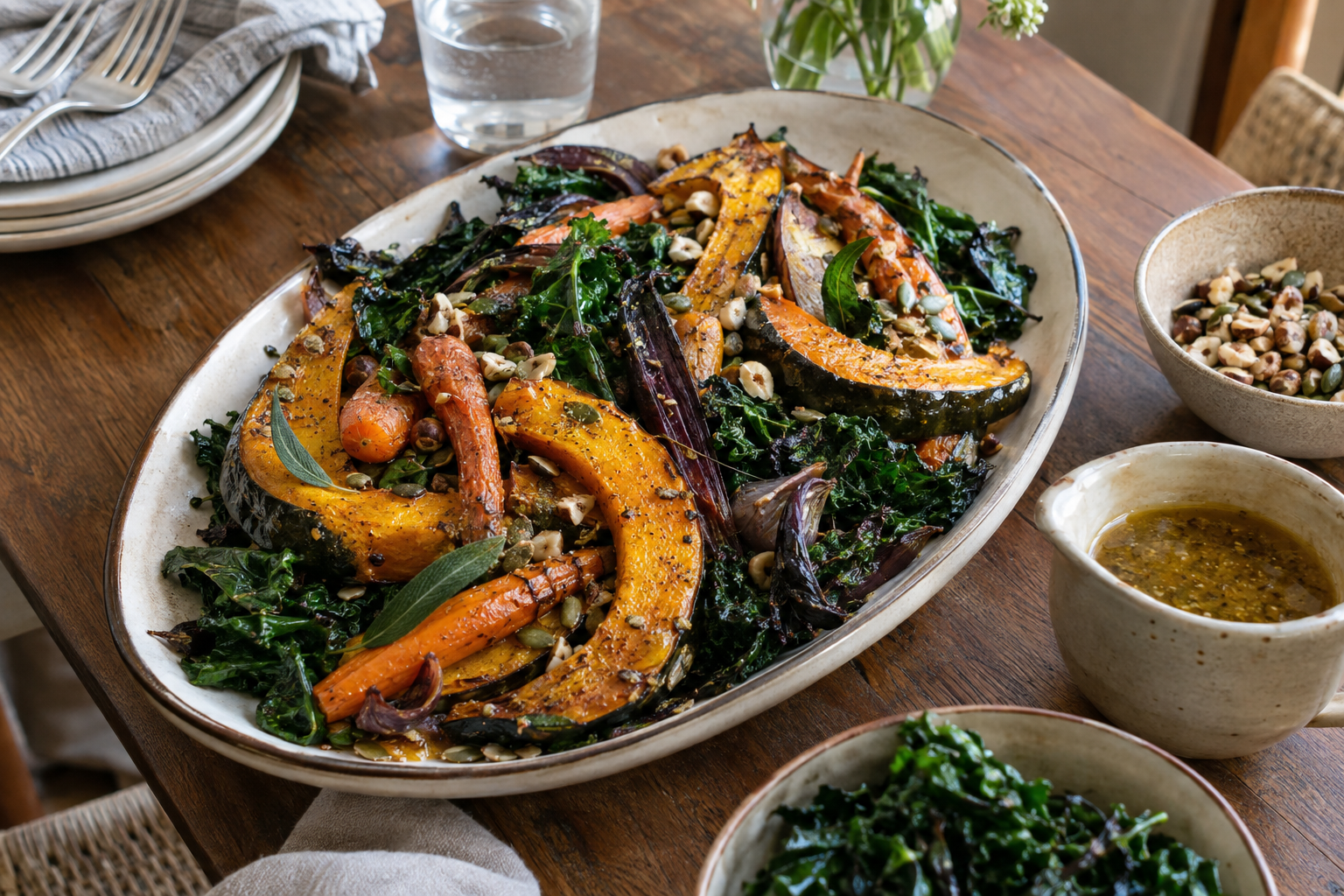
Yes—ask before you order
If you need to avoid an ingredient, it is reasonable to ask a home cook what goes into a meal and how it is prepared. A description such as “roasted seasonal vegetables” tells you the main ingredient, but not necessarily what is in the dressing, sauce or garnish. Asking early gives the cook a chance to check the recipe, and gives you time to decide whether the answer meets your needs.
Be specific about the ingredient you need to avoid. “Does this contain sesame?” is more useful than “Is this allergy-friendly?” If cross-contact matters to you, say so too. An ingredient can get into a meal through shared utensils, work surfaces or equipment even when it is not part of the recipe.
On HomeChefs, meals come from independent home kitchens. Availability depends on kitchens near you, and each kitchen chooses whether to offer collection, delivery or both. Use the contact option available for a meal, if there is one, to ask questions before placing an order. Do not assume that a dish can be changed until the cook confirms it.
Why seasonal vegetables deserve a closer look
Seasonal cooking often means a recipe changes as different produce becomes available. A cook might use asparagus and peas in spring, tomatoes and courgettes in summer, or squash and root vegetables later in the year. The vegetables may change while the accompanying sauce stays the same—or the sauce may change as well.
It helps to ask about the whole dish rather than just the vegetables. A tray of roasted squash might be finished with tahini, yoghurt or chopped nuts. A tomato salad could contain a mustard dressing. Vegetable soup may include celery in its base or wheat in a topping. These are examples of ingredients to check for, not assumptions about any particular cook’s food.
Cooking an ingredient into a dish does not make an allergen disappear. Peeling off a garnish after preparation is not a reliable substitute for checking how the meal was made. If the dish changes with the season, ask about the version being offered for your order, not a version you saw previously.
Questions that get useful answers
Start with your particular concern, then ask about the parts of the dish that are easy to overlook. You do not need to send a long questionnaire if a few clear questions cover what matters to you.
- Ingredients: “I need to avoid sesame. Is there sesame in the vegetables, dressing, seasoning, sauce or garnish?”
- Prepared components: “Do you use any bought-in sauces, spice blends, stock or toppings? Could you check their ingredient labels for me?”
- Shared preparation: “Are utensils, chopping boards, trays or serving tools also used for dishes containing sesame?”
- Changes: “Will this recipe or any of its ingredients be different on the day my order is prepared?”
- Possible adjustments: “If the garnish is left off, has it already been used elsewhere in the preparation?”
Swap in the ingredient relevant to you, and mention any related ingredients you also avoid. If you need information about cross-contact, ask how the cook separates ingredients and equipment rather than relying only on a “contains” list. A direct answer is more useful than a broad assurance that a meal should be fine.
A short message you can adapt
“Hello, I’m interested in your seasonal vegetable meal, but I need to avoid sesame. Could you tell me whether sesame is used in any part of the dish, including the dressing and garnish? Are any prepared ingredients used that you could check, and is the equipment shared with sesame-containing dishes? Please let me know if the recipe may change before my order is prepared. Thank you.”
This wording gives the cook room to explain what they know and what they cannot confirm. If you have more than one ingredient to avoid, list each one clearly. Keep the conversation with the order details where possible, so you can refer back to the answer if you need to check a substitution.
What to do with the answer
Read the reply for specifics. “The dressing contains yoghurt” answers a different question from “There is no milk in the vegetable mix.” Likewise, “We can leave off the nuts” does not tell you whether nuts were used on the same tray or with the same serving utensils. Follow up if an answer covers only one component of the meal.
A cook may not be able to verify every ingredient in a prepared sauce or rule out cross-contact in a home kitchen. That is useful information, even if it is not the answer you hoped for. If they cannot confirm what you need to know, do not treat the meal as suitable on the basis of a guess.
When the details are clear, confirm the exact dish and any agreed adjustment before ordering. Seasonal vegetables make for varied meals, but the practical approach stays the same: ask about the recipe being prepared, the ingredients that go with it and any shared preparation that matters to you.
Written with AI assistance.