How Many Portions Should I Order? A Practical Guide
Start with one main portion per person, then adjust for sharing, sides and leftovers. Here’s a simple way to order enough without stretching your budget.
By HomeChefs Kitchen Team ·
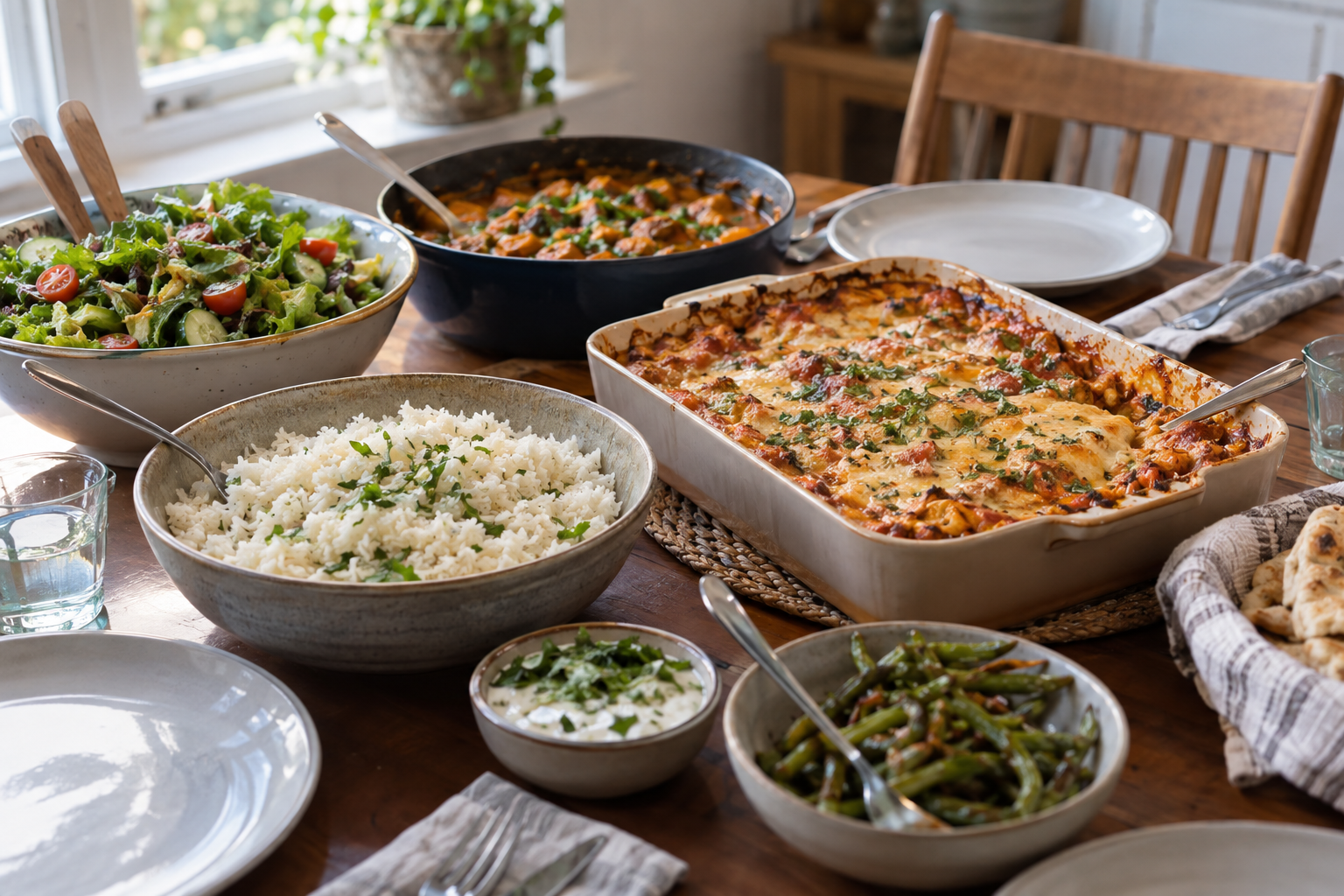
Start with one main per person
If you’re ordering a meal for a group, one main portion per person is a useful starting point. For six adults eating dinner, begin with six mains. It’s a planning rule, not a guarantee: portion sizes differ, and a meal served with rice, bread or other sides may stretch further than one served alone.
Before you add extra portions “just in case”, look at what each portion includes. Is the rice part of the main, or ordered separately? Is it a complete plate or a dish intended for sharing? If the description doesn’t make that clear, ask the cook before you order. Knowing what you’ll actually receive is more useful than applying a blanket rule to every meal.
Count the people who will eat the meal
Write down your guest list and sort it into full meals and likely smaller meals. Don’t count someone as half a portion merely because they’re a child: a teenager may want a full main, while a younger child might share comfortably with an adult. If guests have different preferences, account for those when choosing dishes as well as quantities.
Ask yourself:
- Is this the whole meal, or will you also serve food you’ve made at home?
- Are people arriving for dinner, or dropping by for a small plate?
- Will everyone want the same dish, or do you need a choice?
- Are you happy to have an extra portion, or is avoiding leftovers the priority?
For a sit-down meal, it’s usually easier to give each person a clear main and use sides to make the table flexible. For a casual spread, think in terms of total food across all dishes, rather than ordering one portion of every dish for every guest.
Make sides do the work
A budget-friendly way to feed a group is to order the mains you need, then add simple sides where they make sense. Rice, flatbread, potatoes or a salad can help turn a few different dishes into a shared meal. Check what comes with the mains first so you don’t pay twice for the same accompaniment.
If you’re preparing sides yourself, keep the amounts modest until you know how substantial the ordered food is. As a rough planning guide, allow about 60–75 g of dry rice per person when rice is a main accompaniment, or less if there are several other sides. That gives you a quantity to shop for without assuming everyone needs an additional full meal.
Sharing also makes it easier to offer variety without buying too many mains. You might choose a couple of different dishes for the table and let guests serve themselves. This works best when the dishes are suitable for sharing and everyone has something they’ll eat; it works less well if each guest is expecting their own plated portion.
Add a little flexibility, not an automatic surplus
The question isn’t always “Should I order extra?” It’s “What happens if someone wants more?” If you’re serving filling sides or another course, your starting count may be enough. If the ordered food is the entire meal and appetites are uncertain, one additional main for a group can be a sensible buffer—especially if you already know someone will want it later.
For example, for five adults having a dinner of ordered mains plus homemade rice and salad, start by looking at five mains. If one guest has said they’ll eat lightly, don’t immediately reduce the order: sharing their leftovers at the table is simpler than finding someone short of dinner. On the other hand, ordering seven mains without a plan for the extras may not be the best use of your budget.
For a larger gathering, avoid multiplying a generous guess by every guest. Make a headcount, decide which dishes are full meals and which are sides, and add only the buffer you can explain. A quick written list makes duplicate orders easier to spot.
Check the details before you pay
Portion labels can mean different things. A container of stew, a plated meal and a tray made for sharing shouldn’t be counted in the same way. Read the description for serving guidance, included sides and any options that change the quantity. If a listing says it serves several people, use that guidance as your starting point, then adjust for what else you’re serving.
It’s worth checking how the food will reach you, too. On HomeChefs, meals come from independent home kitchens; what’s available depends on kitchens near you, and each kitchen chooses collection and/or delivery. Those details can help you plan what you’ll make yourself and when the rest of the meal needs to be ready.
A quick order checklist
Before you place the order, check:
- Headcount: How many people need a full main?
- What’s included: Are sides already part of the portion?
- Sharing: Are any dishes intended for the middle of the table?
- Your own cooking: What will you add, and how much?
- Extras: Would one spare portion be useful, or simply unused?
Start with the people and the meal you’re actually serving. Once those are clear, the right number of portions is usually much easier to see—and much easier to fit to your budget.
Written with AI assistance.