How to Use Vegeta Without Over-Salting Your Lunch
Make affordable packed lunches more savoury, not salty. Learn how much Vegeta to start with, when to add it and which ingredients need no extra salt.
By HomeChefs Kitchen Team ·
Treat Vegeta as salt, not just seasoning
Vegeta is a savoury seasoning made with salt, dried vegetables and spices; some versions also contain flavour enhancers. The exact ingredients and salt level vary by product, so check your packet. The most useful rule is simple: when you add Vegeta, reduce or omit every other salty ingredient until you have tasted the dish.
For packed lunches, this matters because several convenient ingredients are already seasoned. Stock cubes, soy sauce, cured meat, cheese, olives, pickles and tinned foods in brine can quickly push a meal from well seasoned to overly salty.
Start with 1.25 ml of Vegeta for two lunch portions. Mix it in thoroughly, taste, then add another small pinch only if needed. It is much easier to season a finished dish than rescue one that is too salty.
Add it at the right time
How and when you use Vegeta affects how salty it tastes.
- Soups and stews: Add a small amount once the vegetables and liquid are combined. Simmer, then taste near the end. As liquid evaporates, the salt becomes more concentrated.
- Rice, couscous and bulgur: Stir Vegeta into the cooking water, but do not add a stock cube as well. Begin with 1.25 ml for about 300 ml of water.
- Roasted vegetables: Toss the vegetables with oil and spices first. Sprinkle over a measured pinch of Vegeta rather than shaking directly from the packet.
- Beans and lentils: Add it after the pulses are cooked or nearly tender. This gives you better control, especially when using tinned pulses.
- Sauces: Wait until tomatoes, yoghurt or other main ingredients are mixed in before seasoning. Their final volume determines how much Vegeta you need.
For cold lunches, taste the food again once it has cooled. Chilled rice, pasta and grains can seem less aromatic than warm food, which sometimes encourages unnecessary extra seasoning. Fresh herbs, lemon and spices can restore interest without another spoonful of Vegeta.
Build flavour before reaching for more
Vegeta works best as one part of the seasoning rather than the entire flavour profile. Use inexpensive aromatic ingredients to make packed lunches lively while keeping the quantity modest.
Try combining a small pinch with:
- Lemon juice and black pepper for chickpea or couscous salads
- Garlic, smoked paprika and oil for roasted carrots, peppers or courgettes
- Tomato purée and dried oregano for bean and pasta dishes
- Fresh parsley or dill for rice, potatoes and yoghurt sauces
- Ground cumin and coriander for lentils or roasted cauliflower
- Cider vinegar and mustard for cabbage or carrot slaw
Acidity is particularly helpful. If a lunch tastes flat but already seems salty, add a squeeze of lemon or a little vinegar instead of more seasoning. A spoonful of plain yoghurt can also soften an intensely seasoned sauce.
Three affordable packed-lunch formulas
These flexible combinations use low-cost staples and make it easy to control the seasoning.
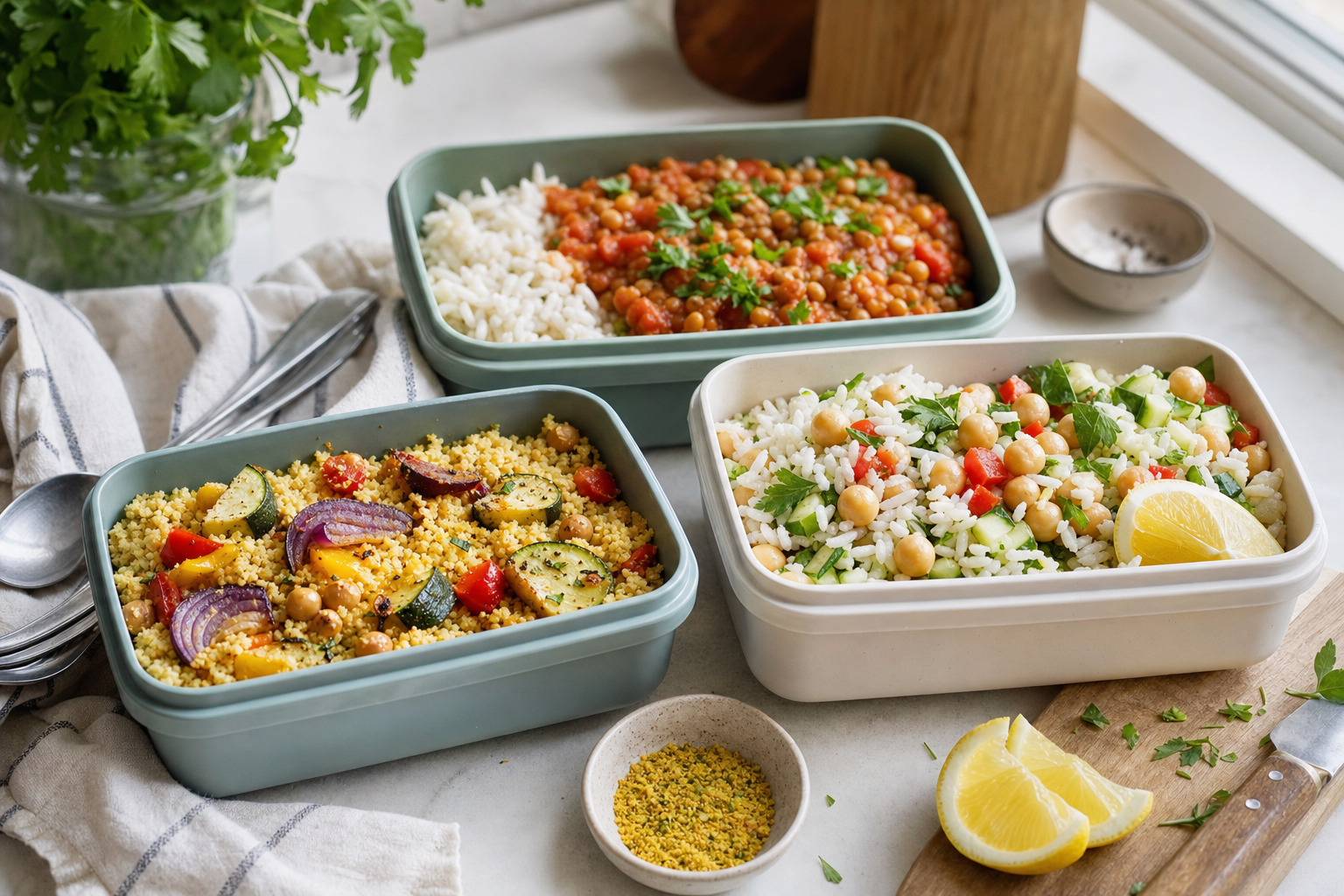
Roasted vegetable couscous: Roast chopped seasonal vegetables with oil, paprika and black pepper. Prepare couscous using water seasoned with 1.25 ml of Vegeta for two portions. Mix everything with lemon juice and parsley. Add feta only after tasting, as the cheese brings more salt.
Tomato lentil pot: Cook onion, carrot and garlic until soft, then add cooked lentils, chopped tomatoes and a splash of water. Season two portions with 1.25 ml of Vegeta and dried oregano. Simmer briefly and taste before adding more. Serve with rice or bread.
Chickpea rice box: Combine cooked rice, rinsed tinned chickpeas, roasted carrots and shredded cabbage. Dissolve a pinch of Vegeta in a small spoonful of hot water, then whisk it with oil, lemon juice and cumin. Toss this dressing through the lunch gradually rather than pouring it all in at once.
Cooked rice should be cooled promptly in a shallow container rather than left in a warm saucepan. Keep the packed lunch refrigerated, or use an insulated lunch bag with a frozen ice pack if a fridge is unavailable at work.
Prevent accidental over-seasoning
Measuring is more reliable than sprinkling from the packet. Transfer a little Vegeta to a small jar and use a 1.25 ml measuring spoon. This also prevents steam from getting into the main packet when you season a simmering pot.
Before adding Vegeta, check the whole ingredient list for other sources of salt. Rinse tinned beans and chickpeas, use plain cooking water instead of prepared stock, and keep salty toppings separate. A modest amount of cheese, olives or pickles can then be added after tasting.
If you do add too much, increase the unsalted bulk of the meal. Stir in more cooked rice, lentils, vegetables or plain tomatoes. For soup, add unsalted liquid along with extra solid ingredients so it does not simply become watery. Potatoes can extend a dish, but they do not magically remove salt.
A simple rule to remember
For dependable office lunches, measure, mix, taste and only then add more. Use Vegeta in place of salt or stock powder, not automatically alongside them. With lemon, herbs, spices and affordable staples doing the rest of the work, a small amount can season several satisfying lunches.
If cooking is not on the schedule, HomeChefs can help you explore meals from independent home kitchens nearby. Availability varies by area, and each kitchen chooses whether to offer collection, delivery or both.
Written with AI assistance.